
The Voice-Over Audition Process: What Clients Should Know Behind the Scenes


More Than Just “Reading the Script”
When clients post a voice-over job online—on Fiverr, Voices.com, or even via email—they usually expect auditions within hours. But what many don’t realize is how much effort, skill, and technique goes into those short, polished samples.
Here’s a behind-the-scenes look at what really happens during the voice-over audition process—and how you, as a client, can help make it more effective.
Step 1: Breaking Down the Script
Before even hitting record, a professional voice actor studies the script like an actor prepares for a role. We look at:
Tone and intent (Is it persuasive? Informative? Conversational?)
Target audience (Corporate? Kids? Tech-savvy professionals?)
Key phrases or brand names (What needs emphasis?)
Even a 15-second audition might require multiple reads and careful interpretation.
Step 2: Tailoring the Performance
Voice actors don’t just speak—they act. We test out different deliveries to match your vision:
“Friendly and approachable” may sound warm and casual.
“Authoritative and confident” may require a slower, deeper tone.
“Energetic and upbeat” means high energy without sounding forced.
We may record several takes before choosing the one that best fits your specs.
Step 3: Recording in a Treated Studio
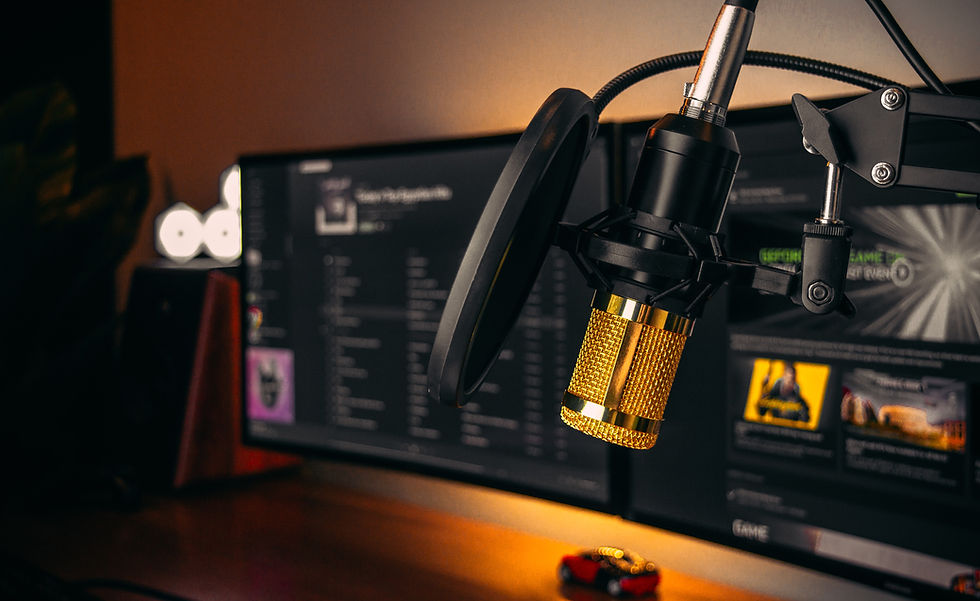
All professional auditions are recorded in acoustically treated spaces using high-quality equipment. A typical session might involve:
A large-diaphragm condenser mic (like a Rode NT1 or Neumann TLM 103)
An audio interface or mixer (like the Rodecaster Pro II)
Noise reduction and clean gain staging for broadcast-quality sound
This ensures your audition doesn’t just sound good—it sounds professional.
Step 4: Light Editing and File Prep
Even auditions go through basic post-processing:
Breath control or removal
EQ and compression to enhance clarity
Normalization for consistent volume
The result? A clean, polished audition you can evaluate clearly.
Step 5: Timely Delivery & Clear Communication
Most voice actors aim for fast turnaround—even for auditions. Along with the sample, we often send a quick message explaining:
Our approach to your script
Any questions or alternative takes
Availability and turnaround time for the final job
This makes it easier for you to make a decision or request changes confidently.
How Clients Can Help Voice Talent Succeed
Want better auditions and faster results? Here’s what helps:
Be specific in your direction (tone, pace, emotion, pronunciation)
Mention usage (broadcast, social, internal, etc.—it affects delivery and rate)
Include reference videos or audio if possible
Note your deadline upfront
A clear, concise brief leads to better auditions and a smoother hiring process.
Final Thoughts
Behind every 30-second audition is a thoughtful, technical, and creative process. Voice actors aren’t just reading your script—they’re interpreting your message, connecting with your audience, and representing your brand.
Understanding what goes on behind the mic helps you choose the right voice—and appreciate the value of professional voice-over even more.
Need auditions that hit the mark every time?Contact JeffCVO for fast, professional, and tailored voice-over that gets results.


Comments